The Z1, Born to Prevent
Are you ready for a new standard of prevention?
The long-term stability of implant-supported restorations is closely linked to
the preservation of the peri-implant biological width.
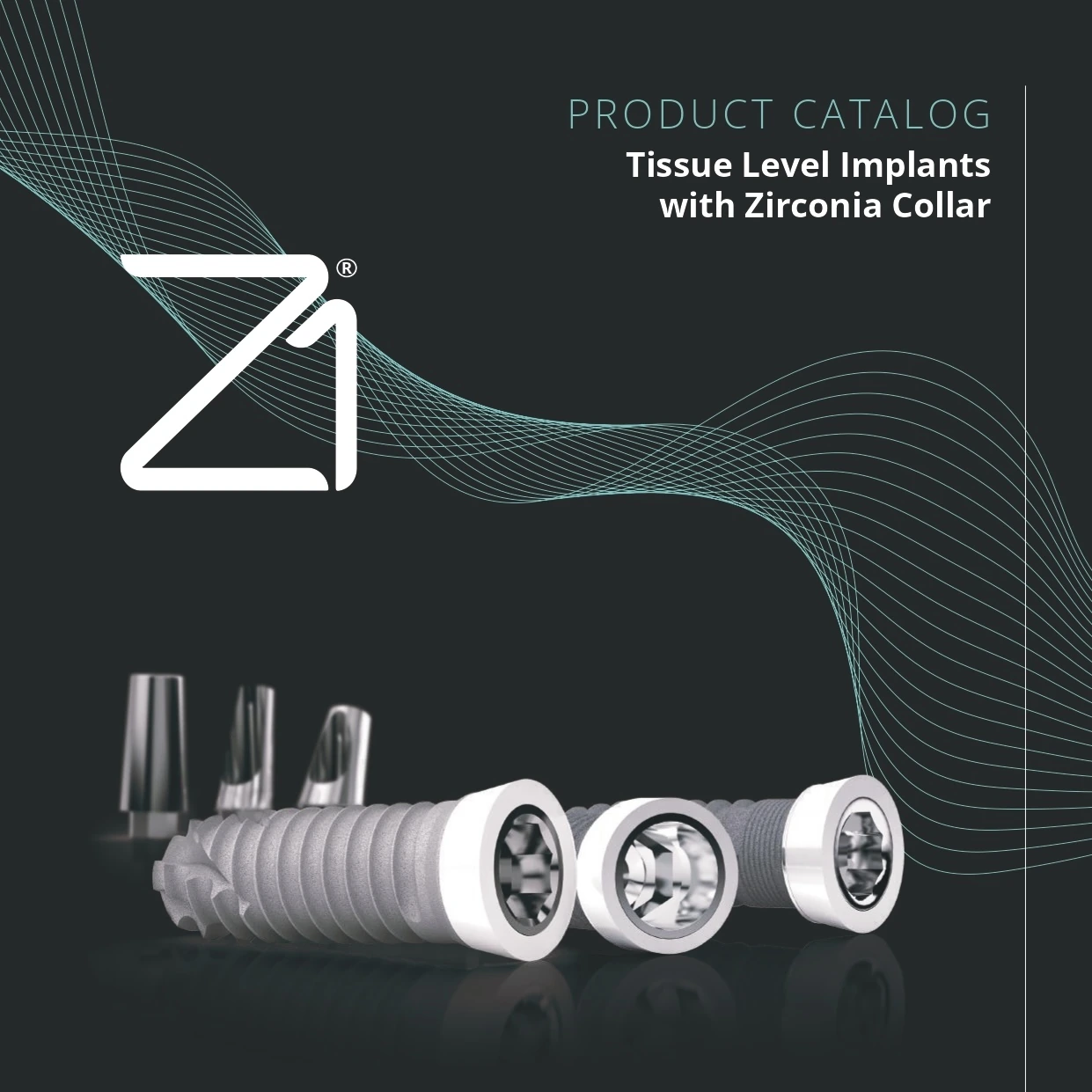
- Patented zirconia collar
- Titanium body
- Clinical versatility
- Protective barrier
- Tissue stability
- 98.8% Paro-Integration
- Aesthetics
- EU-MDR
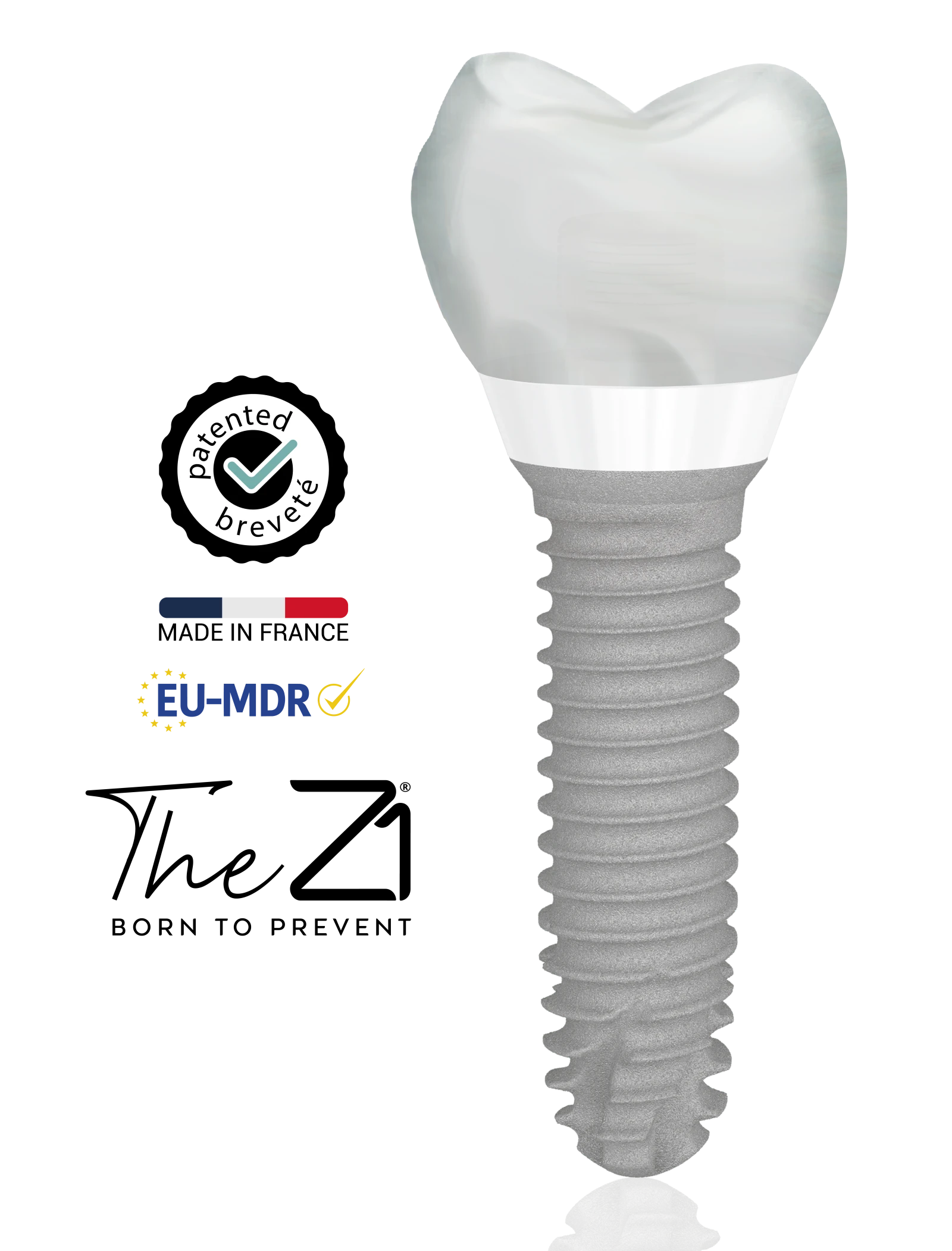
The Z1, Born to Prevent
The Z1, Born to Prevent
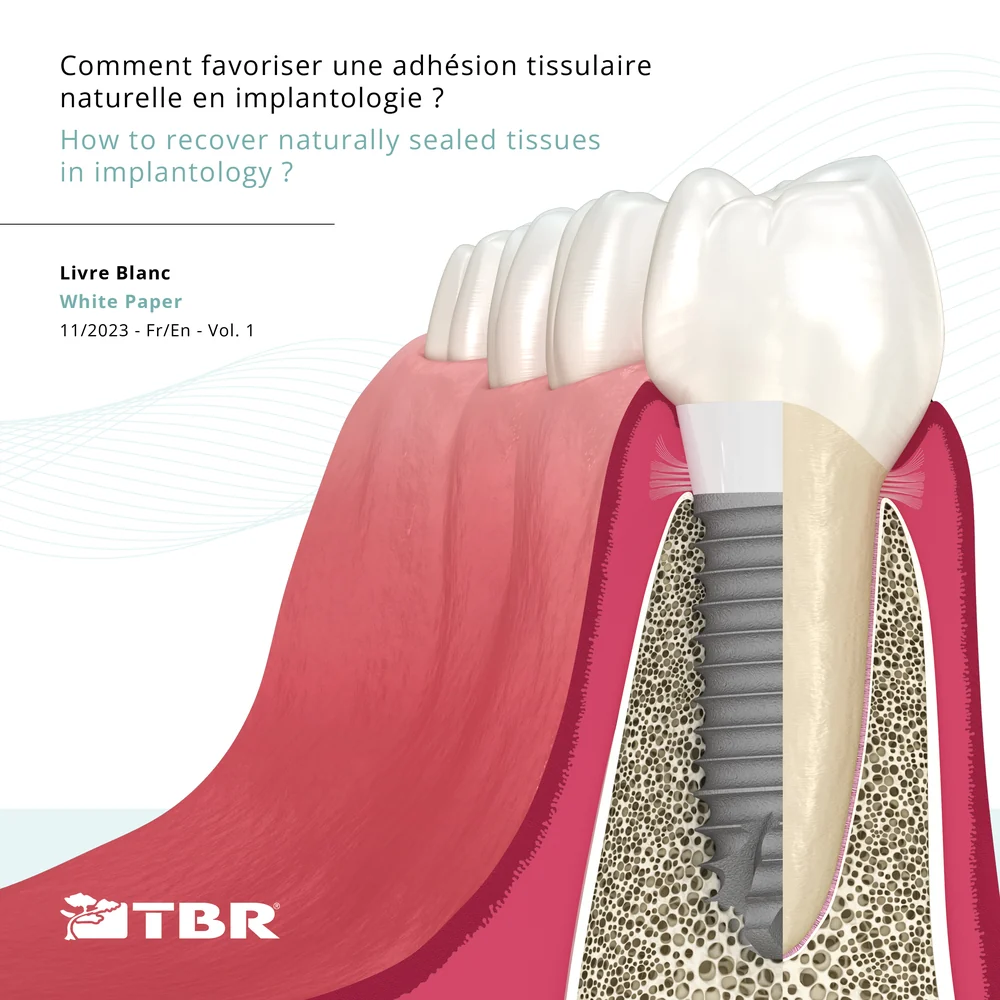
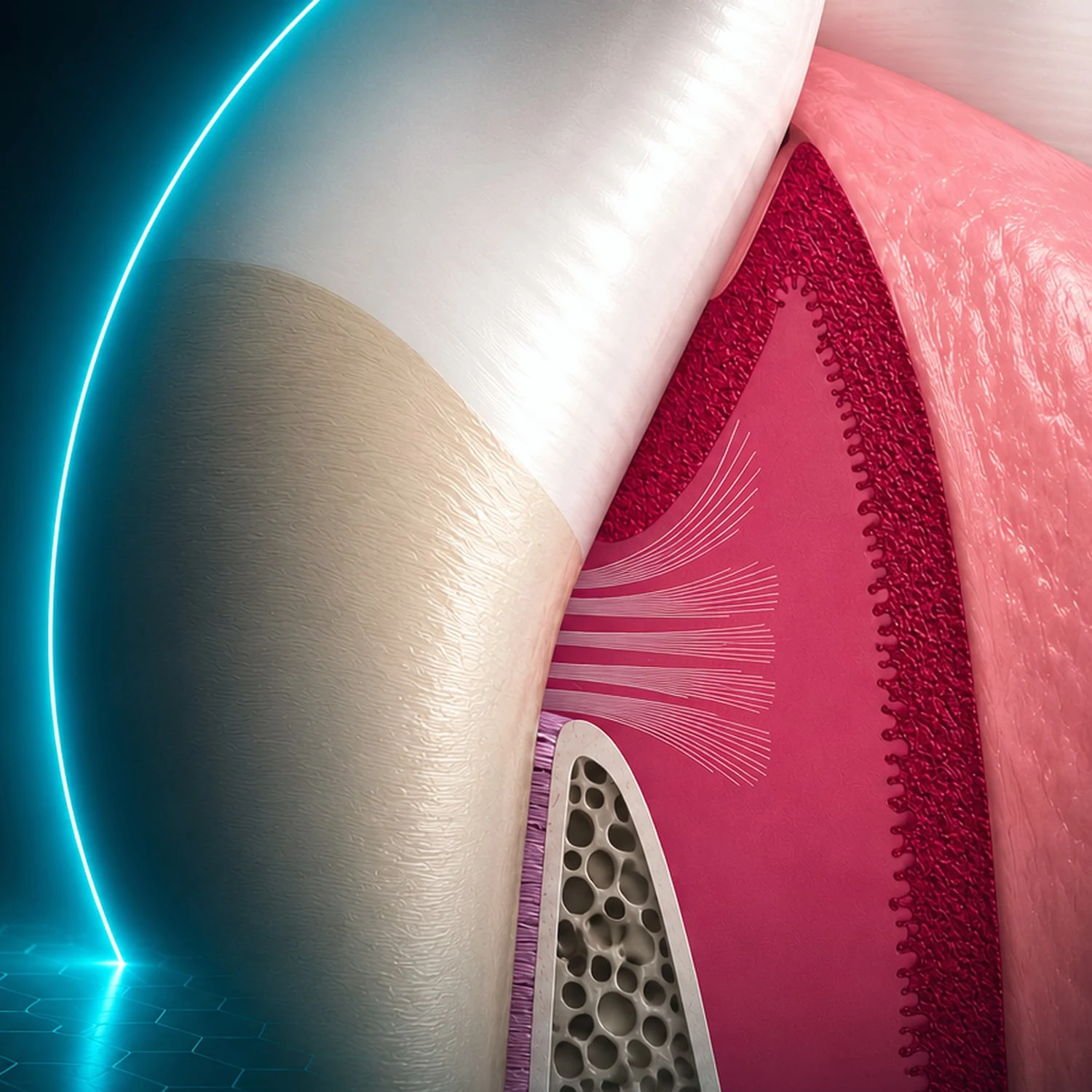
The long-term stability of implant-supported restorations depends closely on preserving the peri-implant biological width. However, around a conventional implant, the epithelial-connective attachment results essentially from tissue adaptation, with non-anchored collagen fibers and a descending invagination of the junctional epithelium, favoring mucositis and then peri-implantitis.
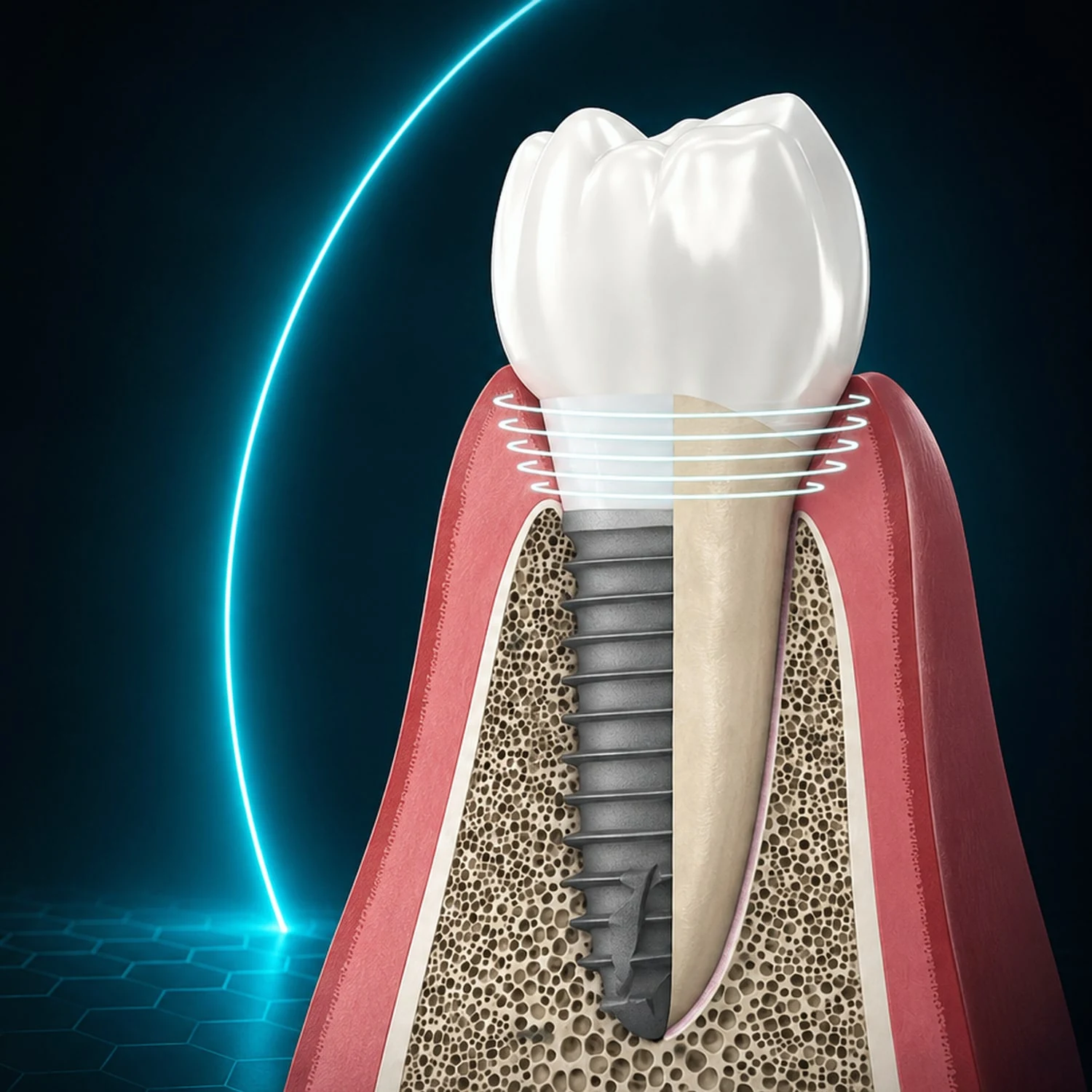
Zirconia, thanks to its high biocompatibility and smooth surface state, promotes primary healing, the formation of a short junctional epithelium and the organization of a connective sleeve rich in circular fibers, contributing to:
- 01
Limiting epithelial invagination,
- 02
Stabilizing supracrestal tissue height,
- 03
Preserving bone tissue from induced crestal resorption,
- 04
Reducing sensitivity to peri-implant inflammation.
The anatomical emergence of the zirconia collar, in continuity with the prosthetic restoration, also contributes to physiological colorimetry in the aesthetic zone.
Clinical versatility
Zirconia collar height
tailored to gingival thickness.
Clinically proven
15-year in vivo clinical investigation on the safety and performance of Z1 implants
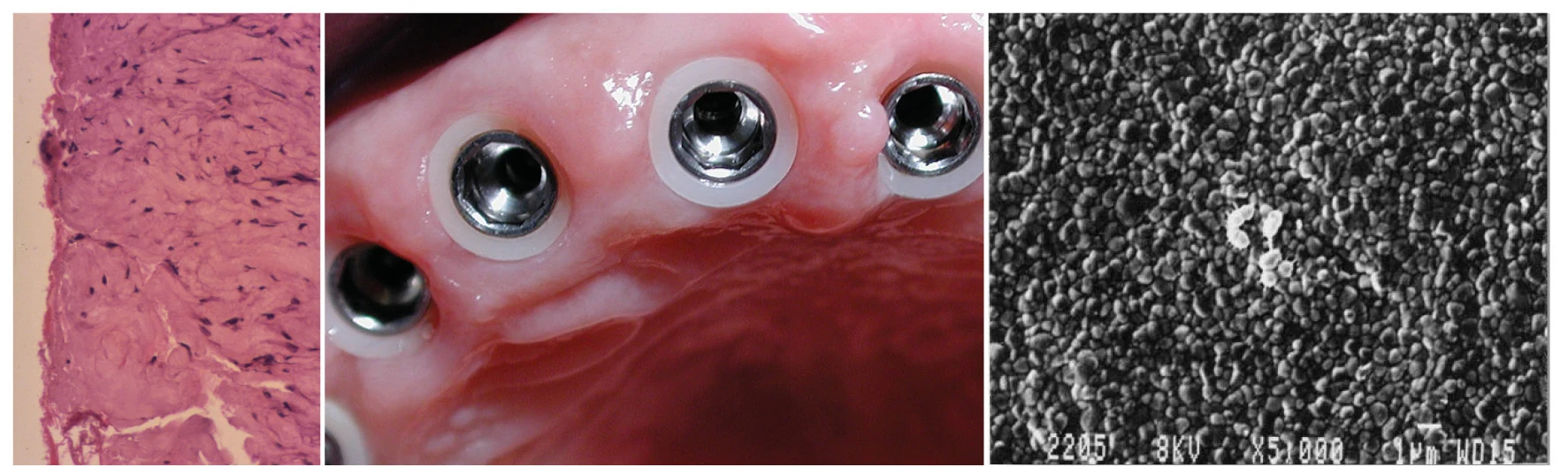
Post-Market Surveillance (PMS) data collected since 2012.
Resources